Getting to the Heart of It: Power, Voltage, and What Fits in the Wall
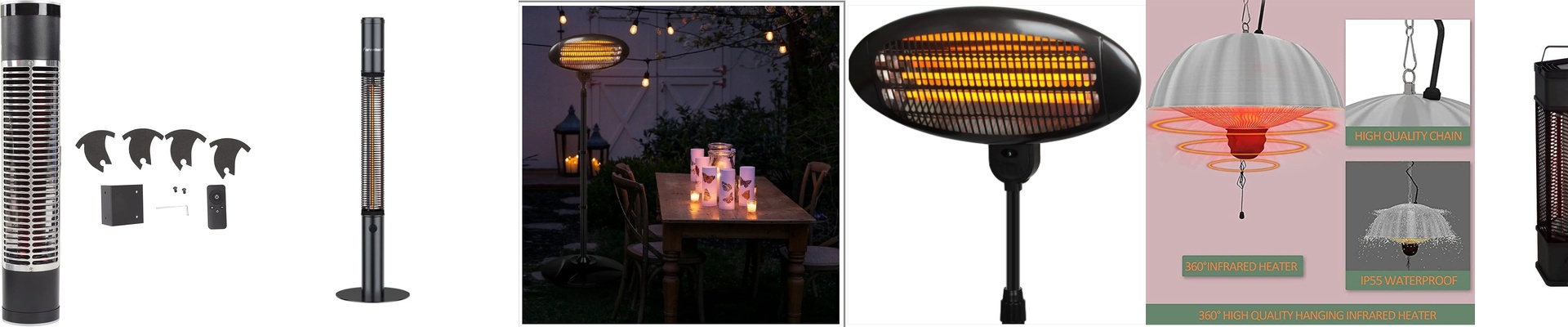
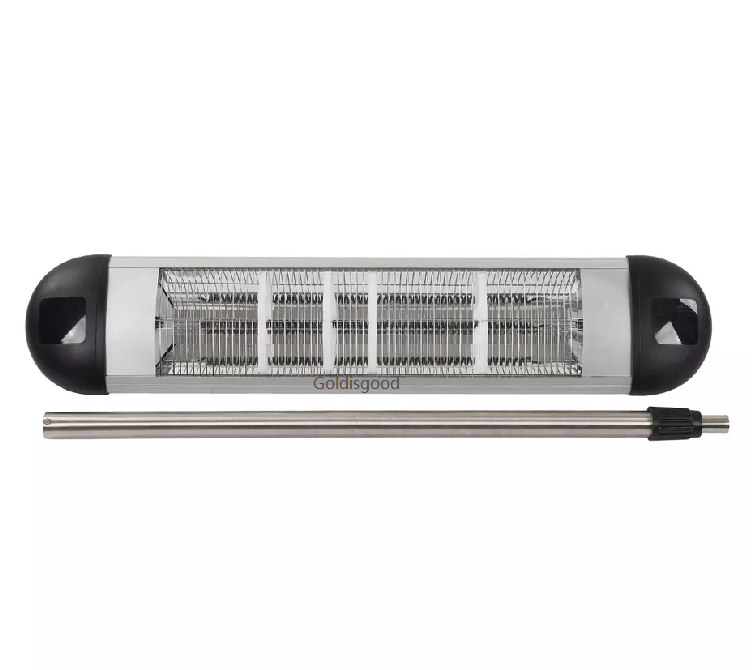
Here’s the thing about our in-wall electric fireplaces. We built them to be tiny powerhouses. They’re all about packing a serious heating punch into a really small space. We’re talking about serious power—these things typically run at 2500W or a 400V setup. It’s how we get that intense, focused heat right where you need it, without the unit taking up a ton of room. The size itself is a balancing act. We often make them 300mm (or 12 inches) long because that’s the sweet spot. It’s the perfect compromise between giving you enough heating muscle and making sure the unit actually fits inside the wall. But that kind of concentrated energy comes with a catch. It means the inside has to breathe. We built in a system for serious airflow and thermal management to keep everything running safely and smoothly.
The Inside Story: What Makes It Work
At the core, you’ve got a quartz tube with a halogen-filled filament inside. This isn’t just some throwaway component. It’s designed to hold its own, keeping a steady resistance and output even after thousands of hours of use. That halogen cycle does a lot of heavy lifting. It protects the filament, which helps the whole thing last way longer than a standard coil element. The tube itself is also specially chosen to let infrared energy pass right through. So, you’re getting heat directed at the target, not just warming up the air around it. And for the connections? We use R7s connectors. They’re a solid, high-current choice that makes wiring and any future service a breeze. It’s a straight-up, drop-in replacement for many existing industrial setups.
Where It Shines: Instant Heat, Smart Design
These modules are perfect when you’ve got a tight space and you need heat, like, now. There’s no waiting around. The in-wall electric fireplace kicks out radiant heat the moment it’s on. That immediate response is great for spot heating on a production line, or for keeping a specific area in a commercial space warm and comfortable. Because the form is so compact, mounting is straightforward. But, and this is important, that high heat density means you have to plan for proper shielding and cooling. Just make sure you leave enough clearance and protect nearby components from the heat.